The Genreal Economy of India
Economic overview:
India's economy is a mixture of traditional village farming,
modern agriculture, handicrafts, a wide range of modern industries, and a multitude of support services.
Faster economic growth in the 1980s allowed a significant
increase in real per capita private
consumption. A large share of the population, probably about
40%, remains too poor to
afford an adequate diet. Production, trade, and
investment reforms since 1991
have provided new opportunities for busines in India. New Delhi has always paid its foreign
debts on schedule and has
stimulated exports, attracted foreign investment, and revived
confidence in India's economic
prospects. GDP growth in 1992-95 has averaged nearly 5%. Most of
the country's external
fundamentals - including the current account balance and reserves
(now almost $17 billion) are
healthy. Party politics is increasingly shaping the debate over
economic reforms. In addition, the
25 Indian states and several union territories, which are playing
a more active role in determining
economic policy, are further complicating the economic climate.
The Indian Government will also
have to watch closely rising government expenditures and higher
debt servicing which could
create a debt trap by the turn of the century. Nevertheless,
India should achieve economic
growth of 5.5%-6.5% annually through the next several years. Even
if a weak coalition
government comes to power in 1996 and is unable to push reforms
aggressively, parts of the
economy that have already benefited from deregulation will
continue to grow. Moreover, the
country can build on other strengths, including its diverse
industrial base, large scientific and
technical pool, well-developed legal system, and its large middle
class to achieve higher growth.
Now here are a few importnat statistics:
GDP per capita:
$1,500 (1995 est.)
Inflation rate (consumer prices): 9% (1995)
Labor force: 314.751 million (1990)
Budget::
revenues: $36.5 billion
expenditures: $54.9 billion
Major Industries:: textiles,
chemicals, food processing, steel, transportation equipment,
cement,
mining, petroleum, machinery
Industrial production
growth rate: 10% (1995 est.)
Electricity:
Capacity: 81,200,000 kW (March 1995)
Production: 314 billion kWh (1993)
Consumption per capita: 324 kWh (1993)
Agriculture:: rice, wheat, oilseed, cotton, jute,
tea, sugarcane, potatoes; cattle, water buffalo,
sheep, goats, poultry, fish, illicit drugs
Exports: $29.96 billion (1995)
Commodities: clothing, gems and
jewelry, engineering goods, chemicals, leather manufactures,
cotton yarn, and fabric
Trading Partners: United States, Japan, Germany, United Kingdom, Hong
Kong
Imports: $33.5 billion (1995)
Commodities: crude oil and petroleum products, machinery, gems,
fertilizer, chemicals
Partners: United States, Germany, Saudi Arabia,
United Kingdom, Belgium, Japan
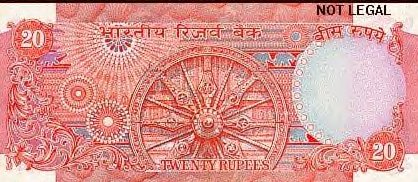
Currency: 1 Indian rupee = 100 paise
Exchange rates: Indian rupees per US $1 -
43.000 (Novmember 1998)
Fiscal year: 1 April - 31 March